Writing up baddies is one of my favourite things, though I like to keep them ambiguous enough that I can use history to switch perceptions of them. That has led me to doing some thinking about the issues associated with writing a villain in a post apocalyptic or near apocalyptic setting.
Time for a ramble.
The antagonist in a novel is usually pretty easy to identify. A bad one waltzes around declaring how evil they are and torturing kittens, a good one is an aesthete who loves interpretative dance and declaims its intrinsic artistic value and tortures kittens solely for the benefit of evil science.
So, doing bad things for superficially good reasons can make for an objectively better villain than someone whose motivations boil down to ‘for the evulz’. The reason being that in most settings there’s no particular reason for being ‘evil’ without some sensible reasons given the existence of umm… non evil options.
Doesn’t apply to things whose very nature is ‘evil’, obvious examples being Morgoth in the Silmarillion (and even then the creator of the Universe effectively says that even if he tries to be evil and do the opposite of what the creator wants, he’s a creation of the creator and so just adds what he’s supposed to to the song of creation…) and Sauron from the Lord of the Rings books who is more ‘petty’ than Morgoth.
Then you have blue and orange morality characters, or forces of nature themselves. I’m really thinking humans here as that gets a whole lot more complicated.
In a post-apocalyptic setting things can get a bit more grey. The defining element of a post-apocalyptic setting is that there’s been an actual apocalypse which means that the easy decisions, kill someone for no reason or not tend to be more along the lines of kill this person or that person and there’s no third option.
That tends not to be a situation most people in a civilised society have to face very often.
At the top end you get people having to make decisions which boil down to ‘a thousand now, or a million later’ which simply goes against the basis of a non post-apocalyptic society which would suggest option C, kill no one, is always available.
Heroes are, of course, always spared this option by the magic of deus ex machina. I hate deus ex machina which the relevant decision maker could never had relied upon or in some cases even known about. If there’s a chance that Z might happen given options X and Y, then okay. If a magic pixie reels down from heaven just before the baddy shoots a thousand people to save a million and says ‘you monster, look it’s all sorted now, take him away…’ then your writing sucks.
Said the man whose writing sucks. Aren’t double standards wonderful?
But the point I’m looking at is how you can code your baddies in such a situation given the existence of ‘only bad or morally unpleasant options.’
So you get four basic ways I can think of to make a decision making character in the setting an obvious antagonist.
- The incompetent decision maker, this is the sort who faffs between two options and ends up taking neither, thereby condemning the world to the worst of both worlds. You can feel sympathy for this character but also want to smash their brains out as they fail to make tough decisions. The deus ex machina issue is a particular issue here as often a writer can turn this kind of character into a good guy by having that DEM turn up to get them out of the decision.
- The biased decision maker. I had been about to complain about Kodos the Executioner in the Star Trek TOR episode The Conscience of a King being a perfect case of deus ex machina but then double checked and noted the ‘eugenics’ element to his decision making. That sort of bias can make for a good villain though it can sometimes bleed into condemning ‘skills’ based survival decisions which is a bit more difficult – I’m afraid that pensions lawyers are unlikely to be key personnel in most post-apocalyptic societies…
- The enjoys his job too much decision maker. Sadism poisons any sympathy you might otherwise feel for a potential antagonist. The SM Stirling Emberverse books have a character who saves a lot of people in Portland. However his proclivities in so doing are such that he is identifiably a bad guy. There were ways to do what he was going to do without the gladiatorial games…
- The ‘takes it all a bit far’ style decision maker. This is the sort who says ‘well if we need to let a few people die to save society, then wouldn’t it be even better to kill a whole lot of people to save it? And maybe introduce some extra ‘reforms’ to keep it safe? Anyone say ‘Secret Police force?’ The Governor in the walking dead struck me as this sort of character but his motivations were borderline between this and the type 3 decision maker depending on who was doing the assessment.
- I suppose there’s also option 5, the decision maker has created this very situation but that’s a separate point. Doing the thing that has created the situation codes them for ‘bad’ in the first place.
Now if you want to avoid having your morally ambiguous character turn into a villain there’s always one option to balance it out. That’s the ‘we’re all in this together’ gambit which isn’t quite what it sounds like. I’m basing this on a sci-fi short story from a 60s(?) anthology which I think was called ‘Analog 1’ but probably wasn’t.
In short the story went like this. The world’s population is too big and a bunch of scientists are meeting to ‘deal’ with the issue. They’ve invented an almost Thanos snap like poison which they can add to food supplies shipped around the world which kills X percentage of the people who eat it, no bias in that. They are are also eating some nice free sandwiches provided by the host scientist.
You can see what’s coming, the host can’t deal with with the fact he’s complicit in killing off all those people and the other scientists are very much ‘this is for the best’ but aren’t going to be in the random dead-pool. So the host accepts there’s no other option available but to make it morally acceptable the sandwiches were poisoned so the scientists have the same chance of survival as everyone else.
Obviously unpopular with the scientists and still on the ‘evil’ spectrum (the story would have needed a lot more ‘there’s no other choice here’ to get around the whole random poisoning point) but adding an element of moral ambiguity.
Compare Thanos in the MCU. Although his reasoning is supposed to be understandable I don’t know if he was ever at risk of crumbling to dust in the snap. If he had been, would it have changed the balance on his character?
Final note – there’s a variant of this which doesn’t really work for sympathy purposes. A good example is one of the characters in the Max Brooks, World War Z who is in the German section and who kills himself after receiving orders to leave a bunch of civilians to the Zs. And kudos to Max Brooks for picking up on this, the viewpoint character calls the commanding officer out on effectively deserting his post and leaving other people to clear up his mess.
I’ve tried to keep the antagonists in my drafts ambiguous. Even the worst of the worst have some great reasons for doing what they do, but I have added a bit of Type 4 in there as I do want it to be obvious that these people are fundamentally bad…
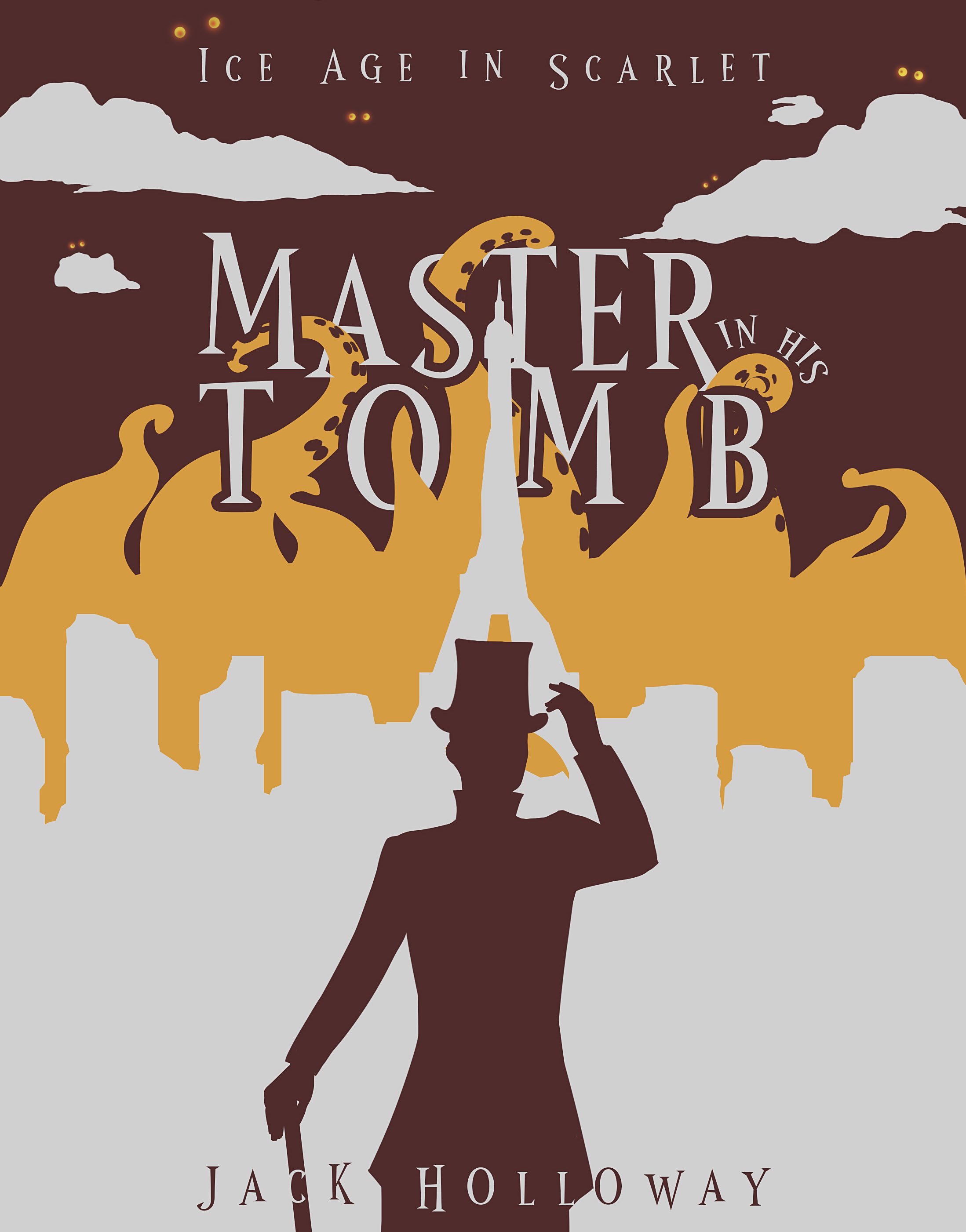
 Ice Age in Scarlet