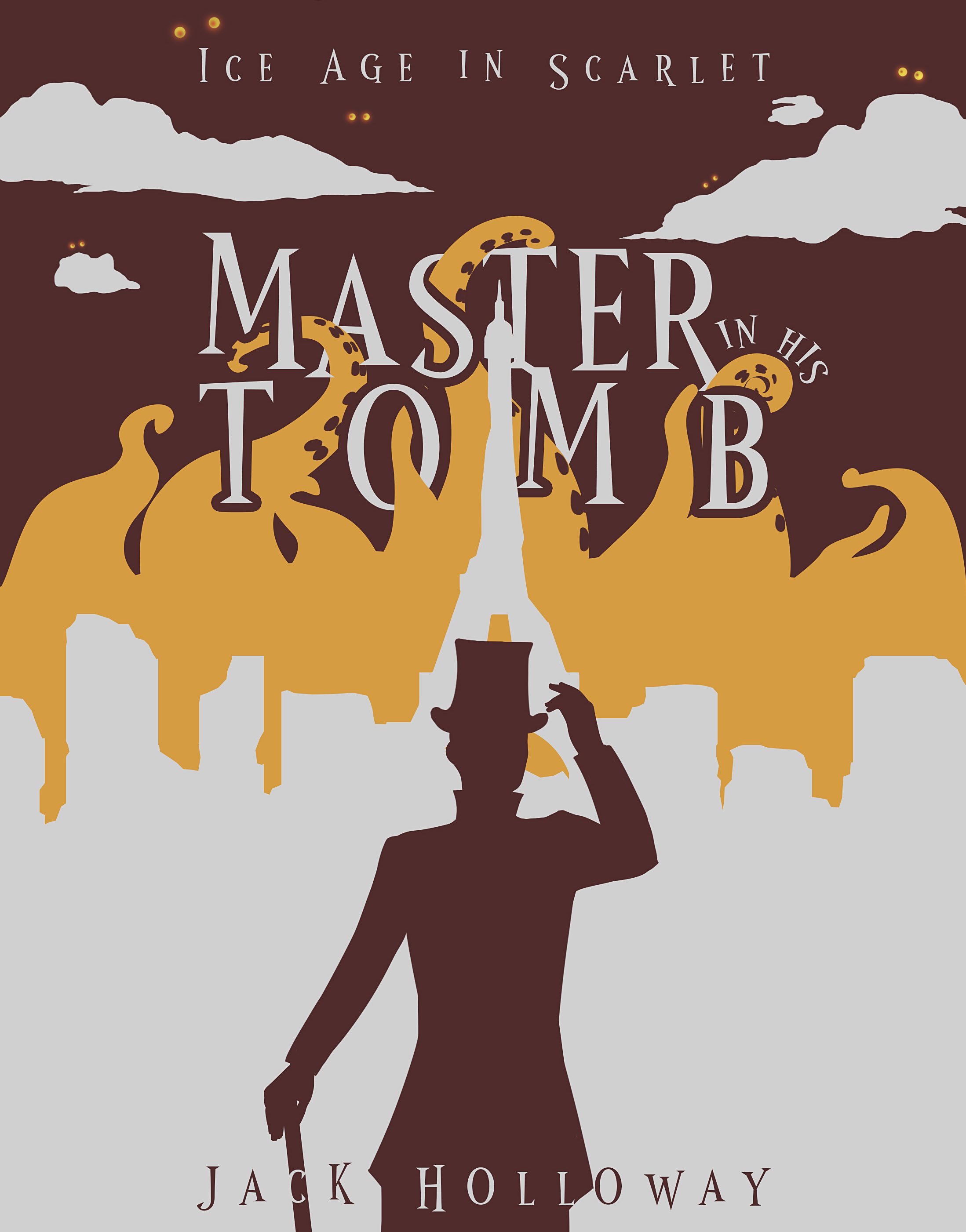
One of the benefits of running a second series with a fair sized time jump is the ability to address historical memory.
History happens to be the first thing I was interested in, except for dinosaurs and one of the things I find particularly interesting is the fact that today’s heroes can end up the villains of tomorrow. Now there’s an element of changing expectations as to behaviour there, but the second series is going to concentrate more on the ‘gaps’ in how history records events.
So as an example the Witch in the Woods books have a clear set of protagonists and antagonists, and the motivations behind them are pretty clearly ‘good’ and ‘bad’ even though there’s shades of nuance for both sides, due to the way that perspective works in those books.
However go forward sixty years or so (to the second series time frame) and the only thing that’s remembered is a side event in which the ‘baddies’ saved a particular person who went on to be important – in academic and research circles – whilst the original context of that rescue has long since been lost.
This leaves the ‘chasing’ team as the heroes of history. They saved a genius and prevented a town disappearing into the fens. The witch and her apprentice, whose motives are more admirable or understandable at least, are remembered simply as the thing that the team were chasing and who may have had something to do with the emergency that the hunters prevented.
I think that’s a standard issue with historical memory. Everyone remembers the big things and a big borderline-bad cause can appear more attractive than a good small one. Someone wanting to avoid being caught up in the big bad cause will be forgotten whilst the more attractive personalities within the big cause can be lionised.
Lots of small heroes get forgotten for doing good on a small scale. I’m going to try and set things up so that there’s an undercurrent in place that shows that what they did, even if forgotten, remains important.
Back to editing again.
 Ice Age in Scarlet